
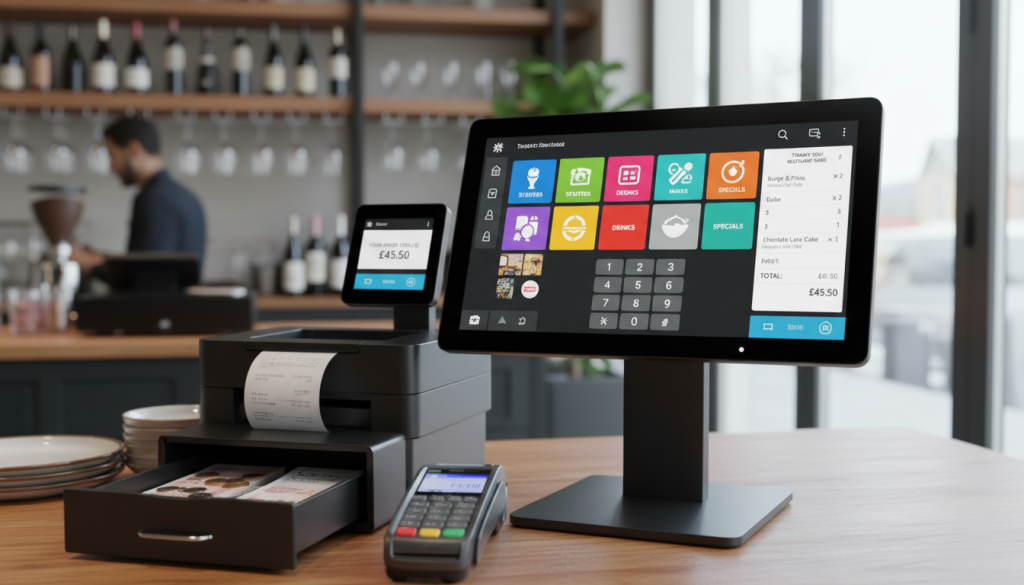
In the modern hospitality landscape, the distance between a successful service and a chaotic one is often measured by the technology behind the counter. For years, the cash register was merely a place to store currency. Today, the demands of the industry have evolved, and the “standard” setup has been replaced by a sophisticated restaurant epos system.
For owners and managers, this isn’t just a hardware upgrade; it is a fundamental shift in how a business breathes, reacts, and grows. Whether you are running a boutique bistro in a quiet suburb or a high-volume eatery in the heart of a city, your EPOS (Electronic Point of Sale) is the central nervous system of your operation.
Beyond the Transaction: What a Modern EPOS Really Does
When we talk about a high-quality restaurant epos system, we are talking about a tool that bridges the gap between the front-of-house experience and back-of-house efficiency. A human-centric approach to dining requires staff to be present with their guests, not buried in a screen or running back and forth to the kitchen to clarify a handwritten note.
Modern systems, like those developed by Cube POS, prioritize this flow. By automating the communication between the server’s handheld device and the kitchen’s display screen, the margin for human error is drastically reduced. This ensures that the “medium-rare” steak actually arrives medium-rare, and the allergy requirements are never missed in the heat of a Saturday night rush.
Data-Driven Decisions for the Independent Restauranteur
One of the most significant advantages of an integrated restaurant epos system is the wealth of data it provides. In the past, “gut feeling” dictated which menu items stayed and which were cut. Today, owners can look at detailed reporting to see:
- Menu Engineering: Which dishes have the highest profit margins versus which are the most popular?
- Labor Management: Are you overstaffed on Tuesday afternoons but drowning on Sunday mornings? Your EPOS can show you exactly when your peak transaction times occur.
- Inventory Control: Real-time tracking helps prevent “menu heartbreak”—that awkward moment when a server has to tell a guest their favorite dish is sold out because the kitchen didn’t realize they were out of stock.
The Importance of Reliability and Support
In the world of niche edits and professional guest posts, we often talk about “future-proofing.” A restaurant is a harsh environment for technology—spills, heat, and constant use can take a toll. This is why choosing a system isn’t just about the software; it’s about the hardware durability and the support team behind it.
An affordable, high-performing system should offer cloud connectivity. This allows you to manage multiple sites from a single dashboard, making it an essential tool for scaling a brand. If the internet goes down, a professional system should have an “offline mode,” ensuring that service doesn’t grind to a halt just because the Wi-Fi flickered.
Enhancing the Guest Journey
The final “human touch” of a great EPOS system is how it affects the customer. Modern diners appreciate flexibility. Whether it’s splitting a bill effortlessly between six people, applying a loyalty discount automatically, or receiving a digital receipt via email, these small interactions define the modern guest journey.
By streamlining the “boring” parts of the meal—the ordering and the paying—you give your staff more time to do what they do best: provide hospitality.
Conclusion: Choosing the Right Partner
The market is flooded with generic solutions, but for a restaurant to thrive, it needs a system built specifically for the nuances of food and beverage. Investing in a robust restaurant epos system is an investment in your staff’s sanity and your business’s longevity.
If you are looking to elevate your service and gain total control over your margins, explore the tailored solutions available at Cube POS. Transitioning to a smarter system is the first step toward a more profitable, less stressful future in the kitchen.
