
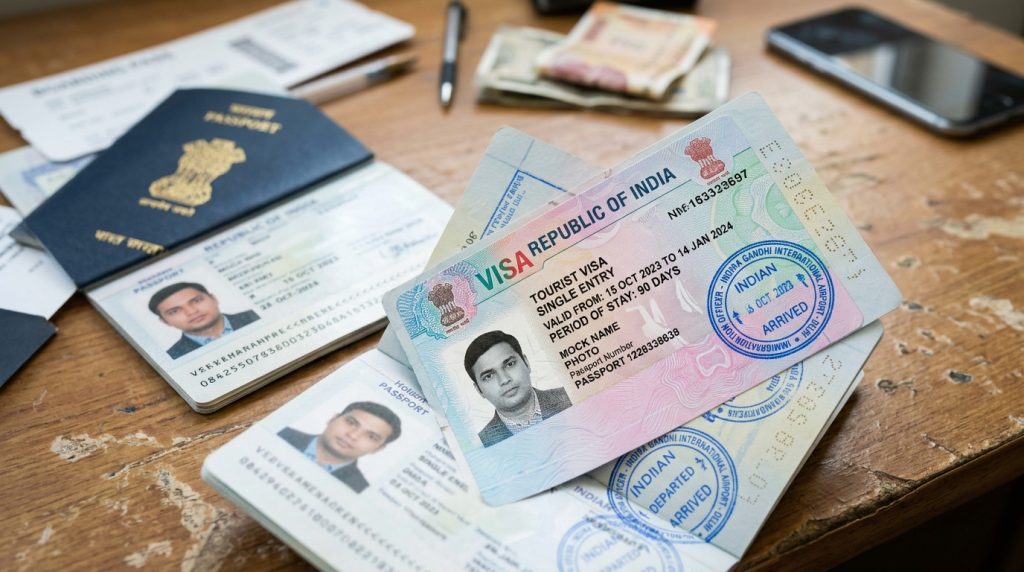
India is a destination that captures the imagination like no other, offering a vibrant tapestry of history, spirituality, and modern innovation. From the tech-driven corridors of Bengaluru to the serene ghats of Varanasi, the subcontinent has become a premier global hub for tourism and business. To manage this influx, the Indian government has digitized its entry systems, replacing traditional paperwork with an efficient electronic visa (e-Visa) portal. While this system is designed for speed, success depends on a meticulous understanding of the specific details required during the digital application.
The Importance of Accurate Documentation
The Indian e-Visa application is a comprehensive process that requires various data points to ensure security and administrative clarity. One of the sections that often causes confusion for first-time applicants is the “Reference” section. This part of the form asks for a contact person or organization in India, as well as a reference in the applicant’s home country.
Providing a valid REFERENCE NAME IN INDIAN VISA application is a mandatory step that serves as a point of verification for the immigration authorities. For tourists, the Indian reference can typically be the name and address of the hotel or guest house where they intend to stay. For business travelers, this would be the inviting company or organization. It is vital to ensure that the contact details, including phone numbers and addresses, are current and accurate, as discrepancies in this section can lead to unnecessary delays or even the rejection of the travel authorization.
Addressing Complex Entry Scenarios
While India is highly welcoming to international visitors, its immigration policies are grounded in strict security protocols. Every applicant must undergo a background check as part of the digital screening process. For most, this is a routine formality, but for individuals with past legal issues, the process requires a higher level of transparency and care.
One of the most frequently asked questions regarding the e-Visa concerns previous legal history. If you are TRAVELLING INDIA WITH CRIMINAL RECORD or have past convictions, it is essential to be honest on the application form. India’s visa portal includes specific questions regarding an applicant’s legal background. While a minor past offense does not necessarily mean an automatic denial, non-disclosure is considered a serious violation that can lead to a permanent ban from entering the Kingdom. In many cases, providing the requested details and potentially supporting documentation allows the consular officers to make a fair assessment of the application.
Professional Tips for a Successful Journey
To ensure your entry into the vibrant landscape of India is as smooth as possible, consider these logistical strategies:
- Document Readiness: Always carry a printed copy of your Electronic Travel Authorization (ETA) alongside your physical passport, which must have at least six months of validity.
- Designated Entry Points: Ensure your flight or cruise ship arrives at one of the nearly 30 international airports or 5 seaports authorized to process e-Visas.
- Digital Integration: Purchase a local eSIM upon arrival to easily use navigation and ride-sharing apps, which are indispensable in bustling metros like Delhi or Mumbai.
- Cultural Respect: India is a land of deep-rooted traditions. Dressing modestly, especially when visiting religious sites, is a sign of respect that is warmly appreciated.
By leveraging the efficiency of the modern e-Visa system and preparing your documentation with a focus on accuracy and transparency, you can focus on experiencing the legendary hospitality and breathtaking diversity of the Indian subcontinent. India invites you to witness a nation that perfectly balances its historic soul with a bold, futuristic vision.
