
East Africa has emerged as one of the most compelling regions for global travelers, offering a seamless blend of untamed wilderness and rapidly developing urban centers. Countries like Kenya, Rwanda, and Uganda have worked tirelessly to integrate their tourism sectors, making it easier than ever for visitors to experience the diverse landscapes of the Great Rift Valley and the lush forests inhabited by mountain gorillas. However, the key to a successful multi-country journey lies in understanding the specialized entry permits and health requirements that govern the region.
Cross-Border Exploration Made Simple
For travelers who wish to maximize their time in Africa, visiting a single country often feels like just scratching the surface. The regional cooperation between Kenya, Uganda, and Rwanda has led to a revolutionary travel document that eliminates the need for separate applications for each nation. This collaborative effort is designed to promote regional tourism and simplify the logistics for international guests.
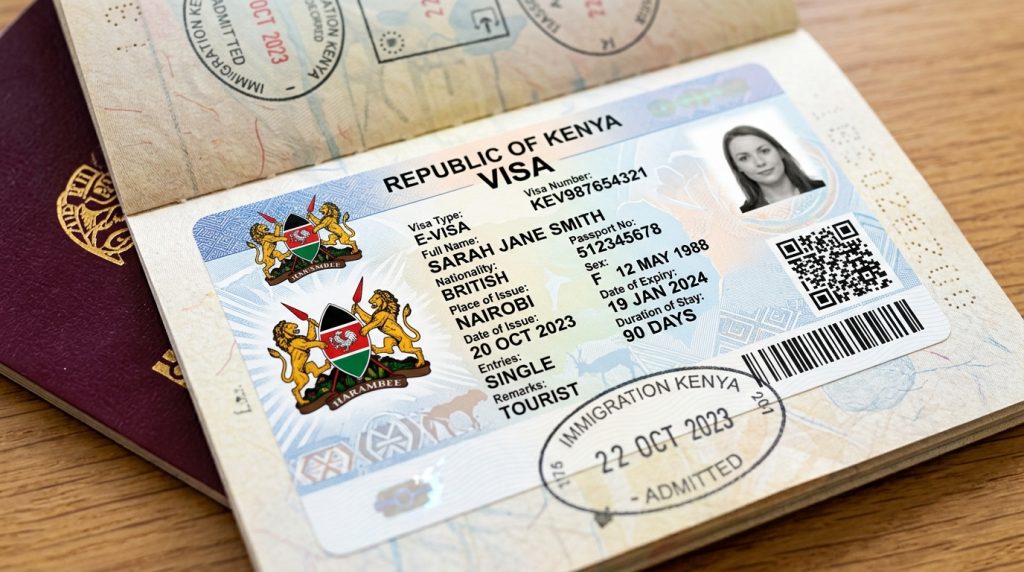
Before finalizing your multi-destination itinerary, it is wise to review the OVERVIEW OF EAST AFRICAN TOURIST VISA EATV. This specific visa allows for multiple entries between the three participating countries, provided the traveler does not exit the regional zone. By securing this authorization, you can move freely across borders, allowing for a morning safari in Kenya and a cultural tour in Rwanda without the administrative burden of reapplying for entry at every checkpoint.
Prioritizing Your Health and Safety
While administrative preparation is vital, physical well-being is the true foundation of any memorable trip. Moving between different climates and ecological zones requires a proactive approach to medical readiness. East Africa is a tropical region, and while many areas are perfectly safe, being informed about endemic conditions ensures that your adventure remains uninterrupted by illness.
Consulting a healthcare professional well in advance of your departure is essential. You should seek specific VACCINE AND HEALTH ADVICE FOR TRAVEL TO KENYA and the surrounding regions to understand requirements for Yellow Fever, Malaria prophylaxis, and other recommended immunizations. Some border crossings may require proof of vaccination (the “Yellow Card”) before entry is granted, so keeping your medical records organized alongside your travel documents is a high priority for any seasoned explorer.
Practical Tips for a Smooth Journey
Beyond visas and vaccines, success in East Africa comes down to local awareness. Ensure that your passport has at least six months of validity remaining and plenty of blank pages for the various entry and exit stamps you will collect. Additionally, carry digital and physical copies of your travel insurance and emergency contact information.
Kenya and its neighbors offer a world-class experience for those who arrive prepared. By leveraging regional visa agreements and following professional health guidance, you can focus on the majesty of the landscape and the hospitality of the people. Whether you are trekking through volcanic mountains or relaxing on the Swahili coast, proper preparation turns a complex international trip into a seamless, life-changing journey.
