
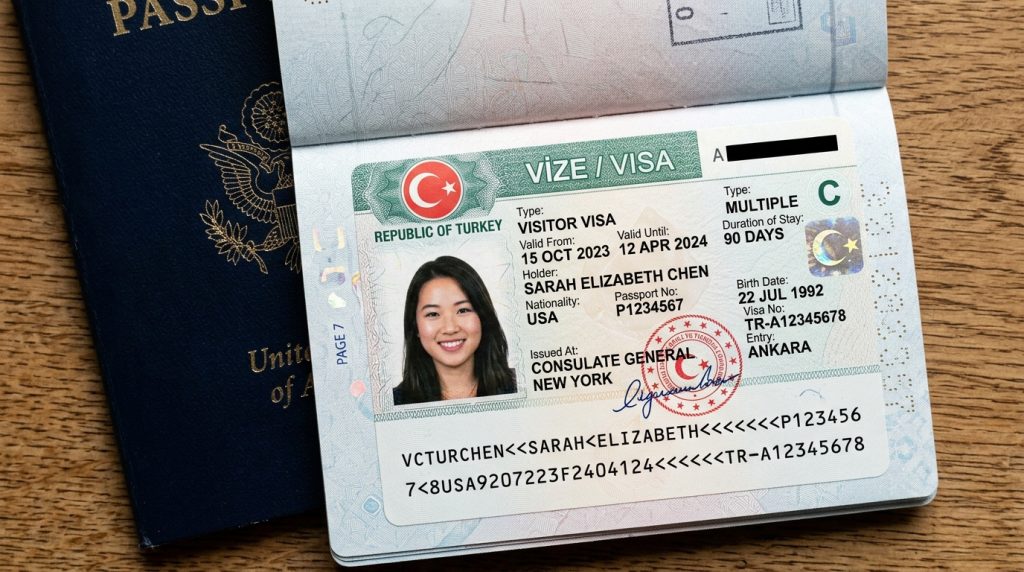
Turkey’s position as a global crossroads has made it a focal point for international transit and a prime destination for the modern remote workforce. Over the last few years, the country has heavily modernized its border control frameworks. By introducing specific requirements at major hubs and launching programs tailored to the changing landscape of global remote work, Turkish immigration has created distinct pathways for different travel intents.
Whether you are executing a brief layover at a megaproject airport or planning a long-term relocation to work from a historic cafe in Istanbul, staying compliant with these modern rules is paramount. This guide breaks down the essential legal updates you need to know for smooth border passage.
The Evolving Security Framework for Air Transit
Istanbul Airport stands as one of the largest aviation hubs on the planet, serving as a primary link between East and West. For the vast majority of international travelers, executing a transit connection here is simple. If you remain within the international transit lounge, do not pass through passport control, and have your luggage checked through to your final destination, a standard visa is generally not required.
However, international immigration patterns have prompted the Turkish government to tighten enforcement. To manage irregular migration corridors effectively, specific electronic regulations have been introduced for travelers from high-risk paths. If you belong to selected nationalities and are transiting through Istanbul toward key Central or South American destinations, you must secure official clearance online prior to boarding.
Understanding the specific documentation, exempt categories, and screening timelines for your exact route is essential. To avoid getting stranded mid-journey, travelers should consult the detailed checklist covering the TURKEY TRANSIT VISA AT ISTANBUL AIRPORT framework to ensure their airline ticket and passport profiles comply with current border protocols.
Relocating Long-Term: The Rise of Remote Work Residency
For professionals who want to do more than just pass through the airport, Turkey has created an incredibly attractive alternative to traditional tourist visas. The government officially launched a dedicated immigration track designed exclusively for the location-independent workforce, allowing international remote workers to enjoy the country’s rich culture and coastal landscapes legally.
This program offers a structured, renewable stay that bypasses the strict limits of short-term tourist allocations. Eligible applicants can secure a TURKEY DIGITAL NOMAD VISA to transition their standard remote work setup into a legal residency framework seamlessly.
However, unlike standard tourist visas, this pathway employs a rigorous screening architecture with explicit eligibility parameters:
- Age and Education Restrictions: The program targets established professionals, enforcing a strict age floor and ceiling between 21 and 55 years old. Additionally, applicants must hold a university degree or equivalent higher education certification.
- The Financial Sufficiency Floor: To ensure nomads do not compete for local jobs, you must prove a stable foreign-source income. The standard baseline is set at a minimum of $3,000 USD per month or an annual total of $36,000 USD.
- Proof of Remote Employment: You must upload an active employment contract with a company located outside of Turkey, or provide verifiable freelance service contracts showing that your client base is entirely non-Turkish.
Best Practices for a Flawless Application Process
Whether you are applying for a specialized transit permit or a full remote work certificate, navigating the digital portal requires complete precision. The electronic screening networks utilize advanced automated data verification, meaning that even a minor discrepancy between your online paperwork and your physical documents can result in an immediate refusal.
Always ensure your physical passport possesses at least six months of remaining validity from your projected arrival date. Furthermore, keep high-quality digital scans of your corporate contracts, bank statements, and biometric photos ready before initiating your session. By preparing your administrative portfolio well in advance and selecting the track that accurately aligns with your real travel intentions, you can look forward to a completely hassle-free experience under the Turkish sun.
