
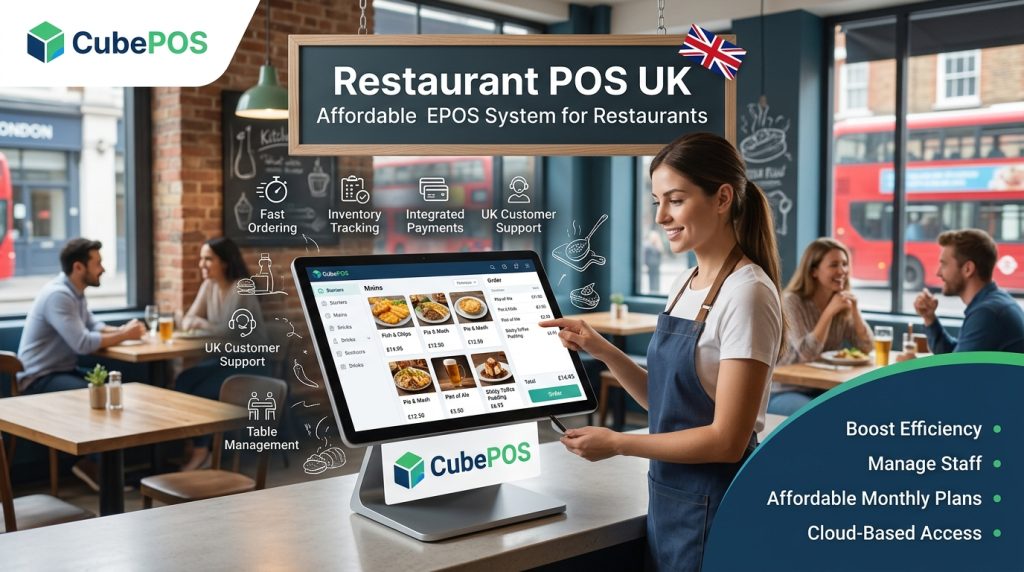
The hospitality landscape in the United Kingdom is currently defined by its rapid evolution and the high expectations of a digitally-savvy public. In a city where culinary trends move as fast as the morning commute, restaurant owners are finding that traditional management methods are no longer sufficient to maintain a competitive edge. To thrive in 2026, the transition from simple cash registers to fully integrated management hubs is essential for operational success.
The Pulse of Capital Hospitality
London remains one of the world’s most vibrant and demanding culinary hubs. From the high-turnover street food stalls of Shoreditch to the refined dining rooms of Mayfair, the common denominator for success is speed and accuracy. Implementing a professional Restaurant EPOS London allows business owners to bridge the gap between front-of-house service and back-of-house efficiency.
In a fast-paced metropolitan environment, every second saved during the ordering process directly impacts the bottom line. Modern systems facilitate instantaneous communication; an order taken at a table via a handheld tablet is transmitted to the kitchen display screen before the server even leaves the guest’s side. This synchronization significantly reduces human error, eliminates the chaos of handwritten tickets, and ensures that the guest experience remains smooth and professional, even during the busiest Friday night rush.
Beyond the Transaction: Data-Driven Growth
While the primary function of an Electronic Point of Sale system is to process payments, its true value lies in the wealth of data it generates. Modern hospitality technology acts as a central nervous system for the business, providing insights that were previously only available to large multinational chains.
By utilizing advanced reporting features, managers can track peak performance periods with surgical precision. This allows for smarter staff scheduling, ensuring that the floor is never understaffed during a surge or overstaffed during a lull. Furthermore, real-time inventory tracking helps chefs monitor ingredient usage, reducing food waste and protecting profit margins against rising supply costs. When a restaurant understands exactly which dishes are its “star performers,” menu engineering becomes a science rather than a guessing game.
Enhancing the Guest Journey
The final touchpoint of any meal is the payment, and in a city that has largely moved away from cash, frictionless digital transactions are a necessity. Modern systems support a vast array of payment methods, including mobile wallets, wearable tech, and integrated split-billing options. This flexibility ensures that the checkout process is as enjoyable as the meal itself, leaving the guest with a positive final impression that encourages repeat visits.
A Foundation for Future Success
As the hospitality industry continues to integrate with AI-driven forecasting and deeper digital loyalty programs, the restaurants that adopt these tools early will be the ones that lead the market. By removing the administrative friction of daily operations, business owners can refocus their energy on what truly matters: culinary innovation and genuine guest connection. Investing in a robust digital infrastructure is not just an upgrade to your hardware—it is a commitment to the long-term resilience and growth of your brand in an ever-changing market.
